
Facility Maintenance Checklist for Michigan Government Buildings
A seasonal guide to keeping government facilities safe, efficient, and compliant throughout Michigan's demanding four-season climate.
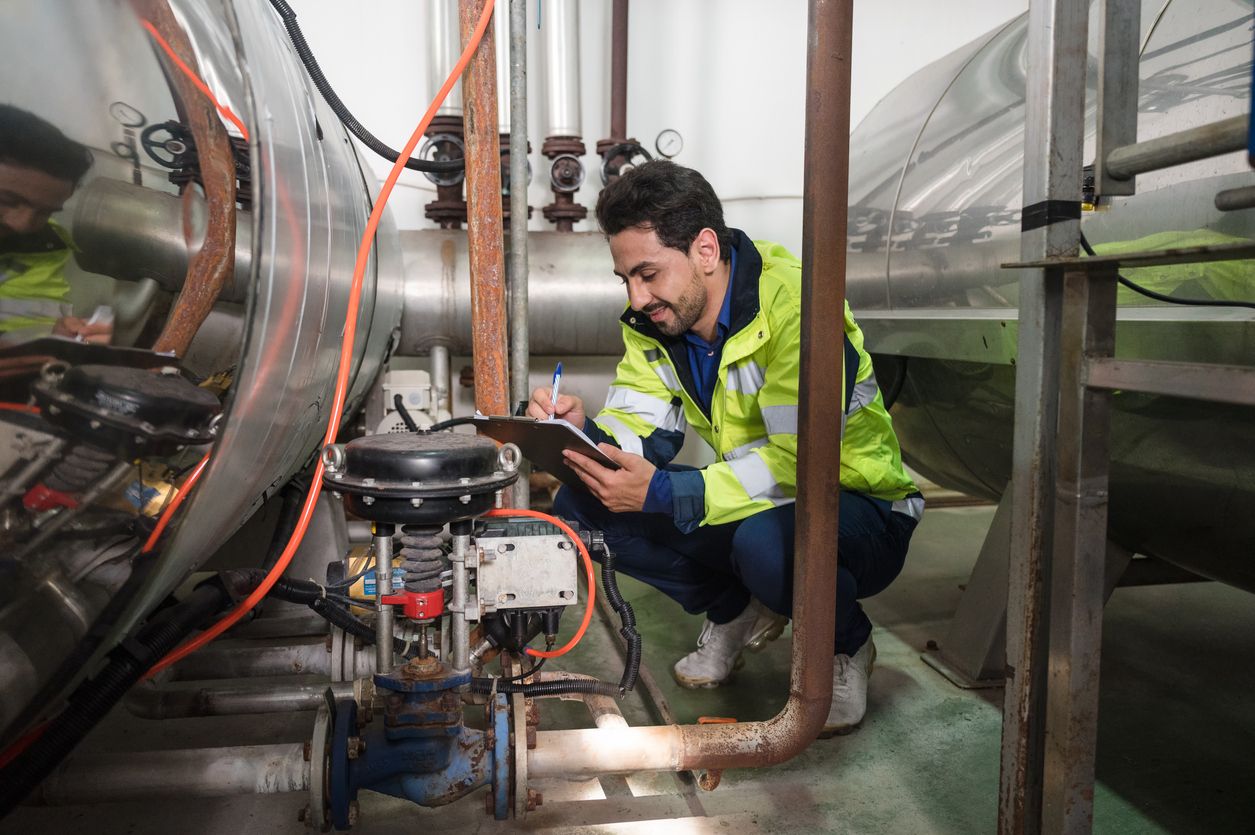
Michigan’s climate puts unique demands on government buildings. From sub-zero winters to humid summers, facilities endure temperature swings of over 100°F annually. Without a structured maintenance program, these conditions accelerate wear on building systems, create safety hazards, and drive up emergency repair costs.
This checklist provides a seasonal framework for maintaining government facilities in Michigan. Whether you manage a single municipal building or oversee a portfolio of state properties, these tasks form the foundation of a preventive maintenance program.
Spring (March – May)
Spring is about assessing winter damage and preparing building systems and grounds for the warmer months ahead.
Building Exterior
- Inspect roof for ice dam damage, lifted shingles, and membrane integrity
- Clear gutters and downspouts of winter debris
- Check exterior walls for freeze-thaw cracking, especially masonry
- Inspect windows and door seals for gaps caused by contraction/expansion
- Assess parking lots and walkways for frost heave, potholes, and cracking
- Verify exterior lighting is operational after winter storms
HVAC Systems
- Schedule cooling system startup and testing
- Replace air filters and clean coils
- Test thermostats and building automation controls
- Inspect refrigerant levels and check for leaks
- Clean condensate drains to prevent summer backups
Grounds
- Remove remaining ice melt residue from walkways and entryways
- Assess turf for winter kill and reseed as needed
- Begin mowing program once growth starts
- Inspect irrigation systems before activation
- Prune winter-damaged trees and shrubs
- Apply pre-emergent weed control
Summer (June – August)
Summer is the peak season for exterior work, cooling system demands, and grounds management.
Building Systems
- Monitor cooling system performance and energy consumption
- Inspect plumbing for leaks, especially in older buildings
- Test fire suppression systems and fire extinguisher inspections
- Check electrical panels for signs of overheating from cooling loads
- Schedule carpet cleaning, floor refinishing, and interior painting during off-peak building use
Exterior & Grounds
- Maintain mowing, edging, and trimming on schedule
- Monitor irrigation systems for coverage and efficiency
- Apply insect and disease treatments as needed
- Pressure wash building exteriors, walkways, and loading docks
- Schedule asphalt sealcoating and parking lot striping
- Trim trees and shrubs away from building facades and utility lines
Fall (September – November)
Fall is the critical preparation window before winter. Everything done now reduces emergency calls from December through March.
Winterization
- Schedule heating system startup, testing, and inspection
- Replace HVAC filters before heating season
- Insulate exposed pipes in unheated areas
- Test and service emergency generators
- Inspect and repair weather stripping on all exterior doors
- Seal any new cracks in exterior walls before freeze
Grounds
- Remove fallen leaves from lawns, walkways, and storm drains
- Apply fall fertilizer and overseed thin areas
- Shut down and winterize irrigation systems
- Cut back perennial plantings
- Inspect and prepare snow removal equipment
- Stockpile ice melt materials
Safety & Compliance
- Test all emergency exits and lighting
- Verify ADA accessibility of cleared walkways (plan for winter snow routing)
- Update ice and snow management plans
- Review fire alarm and sprinkler system inspection schedules
Winter (December – February)
Winter in Michigan is about responsive maintenance, snow management, and keeping building occupants safe and comfortable.
Snow & Ice Management
- Execute snow removal per the facility’s snow management plan
- Maintain ADA-compliant pathways to all building entrances
- Apply ice melt to walkways, stairs, ramps, and parking areas
- Monitor roof snow loads, especially on flat-roof buildings
- Clear fire hydrants and emergency equipment access points
Building Interior
- Monitor heating system performance and indoor air quality
- Check for moisture intrusion from ice dams or condensation
- Inspect for frozen pipes, especially in exterior walls and crawl spaces
- Manage salt and moisture tracking at building entrances (mat systems)
- Schedule interior maintenance projects during low-occupancy periods
Year-Round Best Practices
- Document everything — Maintain a log of all maintenance activities, inspections, and repairs for compliance and budget planning
- Prioritize safety — Address safety hazards immediately, regardless of season
- Budget proactively — Use maintenance data to project costs and request appropriate budget allocations
- Build vendor relationships — Establish standing agreements with trusted contractors for faster response when needs arise
Need Help Implementing a Maintenance Program?
Essenmacher of Michigan provides preventive maintenance, reactive repairs, and grounds management for government facilities throughout Michigan. We can work from your maintenance schedule or help you build one from scratch.
Ready to discuss your facility’s needs? Contact us or call 517-282-8022.