
Grounds Management Best Practices for Michigan Government Properties
A practical guide to maintaining government grounds through Michigan's four-season climate while meeting public expectations and accessibility requirements.
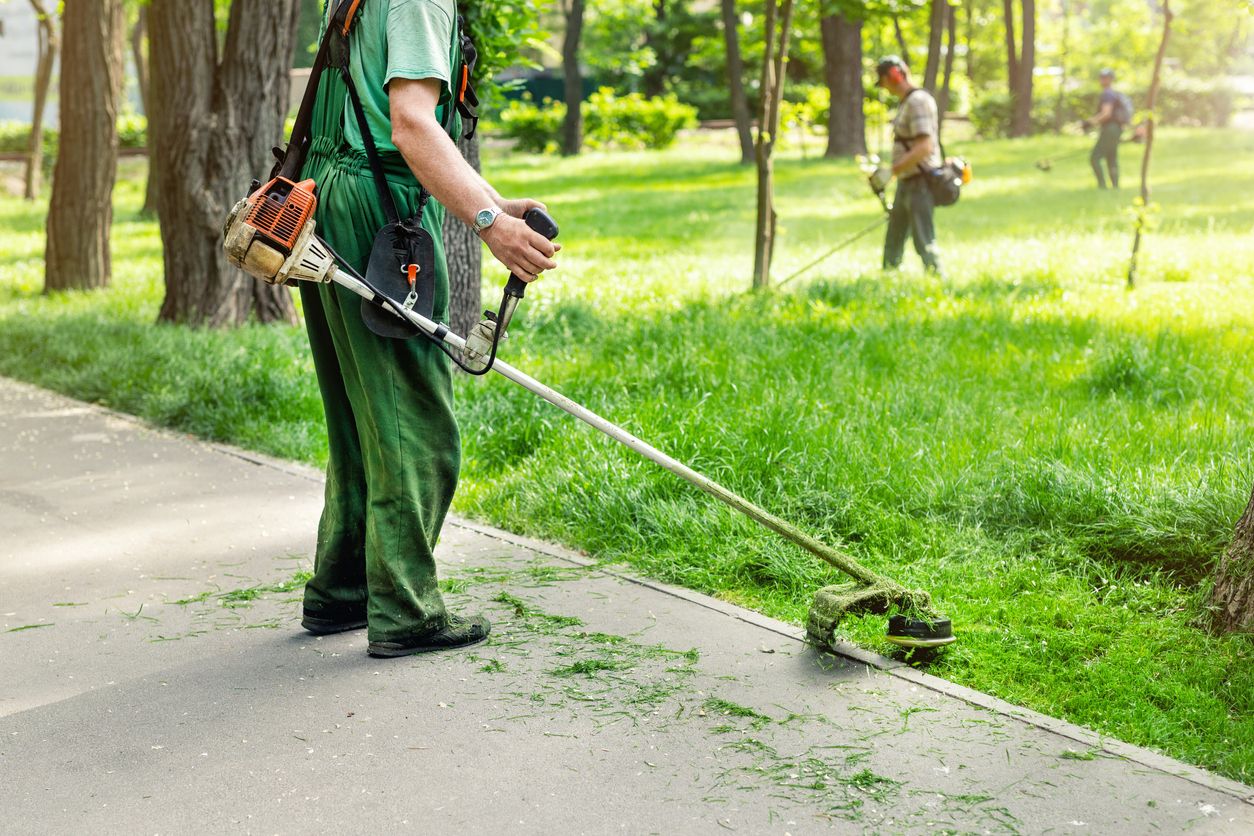
Government properties are public-facing. Whether it’s a state Capitol campus, a county courthouse, or a city park, the condition of the grounds communicates something about the agency’s standards. Neglected landscaping suggests neglect elsewhere. Well-maintained grounds build public trust and create a professional environment for employees and visitors.
In Michigan, grounds management is especially demanding because of the state’s four-season climate. Here’s a practical framework for managing government property grounds year-round.
Start With a Grounds Management Plan
A grounds management plan is a documented program that specifies what gets done, when, and to what standard. Without one, maintenance becomes reactive — mowing when the grass gets too tall, salting after someone slips, trimming after complaints.
Key elements of a solid plan:
- Property map — Identify all maintained areas, including turf, planting beds, hardscape, parking lots, and walkways
- Service schedule — Define frequency for mowing, trimming, snow removal, and seasonal tasks
- Quality standards — Specify mowing heights, snow removal triggers (e.g., 2” for walkways), planting bed edge definition
- ADA compliance requirements — Document accessible routes and their maintenance priorities
- Reporting structure — Define how work is documented, reported, and verified
Spring & Summer: Growth Season
The growing season in Michigan typically runs from mid-April through October. During this period, the primary demands are mowing, trimming, irrigation management, and weed control.
Mowing Program
For government properties, consistent mowing on a fixed schedule projects professionalism. Best practices include:
- Mow at 3–3.5” height for cool-season grasses (standard in Michigan)
- Follow the one-third rule — never remove more than one-third of the blade height in a single mowing
- Alternate mowing patterns to prevent ruts and soil compaction
- Edge all walkways, curbs, and planting beds for clean definition
- Blow clippings off hardscape surfaces after each service
Landscape Maintenance
- Refresh mulch in planting beds annually (spring application)
- Prune shrubs after flowering for shape and health
- Monitor for invasive species, especially in naturalized areas
- Maintain planting bed edges — clean edges make the entire property look maintained
- Apply fertilizer based on soil test results, not arbitrary schedules
Irrigation
If the property has an irrigation system, spring startup includes pressurizing lines, testing zones, adjusting heads, and programming controllers based on seasonal water needs. During summer, monitor for broken heads and adjust schedules based on rainfall to conserve water.
Fall: Transition Season
Fall is the bridge between growing season and winter. Key tasks:
- Leaf management — Remove leaves from turf, walkways, parking areas, and storm drains. Accumulated leaves kill turf and create slip hazards.
- Overseeding — September is the ideal time to overseed thin areas in Michigan’s climate
- Fall fertilization — A late-fall fertilizer application promotes root growth over winter
- Irrigation winterization — Blow out lines before the first hard freeze (typically late October in Mid-Michigan)
- Tree assessment — Identify dead or hazardous branches before winter ice loads
- Equipment preparation — Service snow plows, spreaders, and blowers. Stage supplies.
Winter: Snow & Ice Management
Winter grounds management in Michigan is dominated by snow and ice control. For government properties, the stakes are high — public access, ADA compliance, and liability all demand prompt, thorough response.
Snow Removal Priorities
- ADA-accessible routes — Entrances, ramps, and designated accessible pathways cleared first
- Main building entrances — All public entry points
- Walkways and stairs — Full pedestrian circulation routes
- Parking lots — Driving lanes first, then spaces
- Secondary areas — Maintenance access, loading docks, dumpster pads
Ice Management
- Pre-treat walkways and parking areas before major storms when possible
- Use appropriate ice melt materials — some products damage concrete, vegetation, or water quality
- Reapply as needed throughout the day during extended events
- Document all ice management activities for liability protection
Trigger Thresholds
Government contracts typically define snow removal triggers — for example, plowing begins at 2” accumulation for walkways and 3” for parking areas. These thresholds should be specified in the service agreement to ensure clear expectations.
ADA Compliance & Accessibility
ADA accessibility isn’t a seasonal consideration — it’s year-round. Government properties must maintain accessible routes at all times. This means:
- Snow is cleared from accessible pathways before or simultaneously with general walkways
- Curb ramps are kept clear and functional
- Surface repairs prioritize accessible routes (tripping hazards from heaved concrete, crumbled asphalt, etc.)
- Drainage is managed to prevent water pooling on accessible pathways
Documentation & Reporting
Government agencies need documentation for compliance, budgeting, and public accountability. A professional grounds management program should include:
- Service logs with dates, tasks performed, and crew details
- Photo documentation of completed work (before/after where applicable)
- Snow removal logs with timestamps, areas cleared, and materials applied
- Incident reports for any property damage, hazards identified, or safety concerns
- Monthly or quarterly summary reports for facility management review
Partner With a Grounds Management Professional
Essenmacher of Michigan provides comprehensive grounds management for government properties — from weekly mowing programs to full-season contracts including snow and ice management. We document everything, communicate proactively, and maintain your grounds to the standard your agency requires.
Ready to discuss your property’s needs? Contact us or call 517-282-8022.